
Dairy Cow Isopods and Rubber Ducky Isopods are admired for their fascinating appearance, gentle behavior, and excellent adaptability inside carefully maintained habitats. Their unique patterns, active movements, and peaceful nature make them enjoyable additions to naturalistic enclosures. These tiny creatures also contribute positively to balanced ecosystems by helping maintain cleanliness and supporting healthy substrate conditions.
Unique Features That Make Them Stand Out
Both varieties display charming characteristics that attract hobbyists and nature enthusiasts alike. Many collectors appreciate dairy cow isopods for their active nature, striking patterns, and helpful contribution to balanced terrarium ecosystems naturally.
Dairy Cow Isopods
- Recognized for bold black-and-white markings
- Known for energetic movement and active foraging
- Adapt well to humid environments
- Thrive with nutritious organic matter
Rubber Ducky Isopods
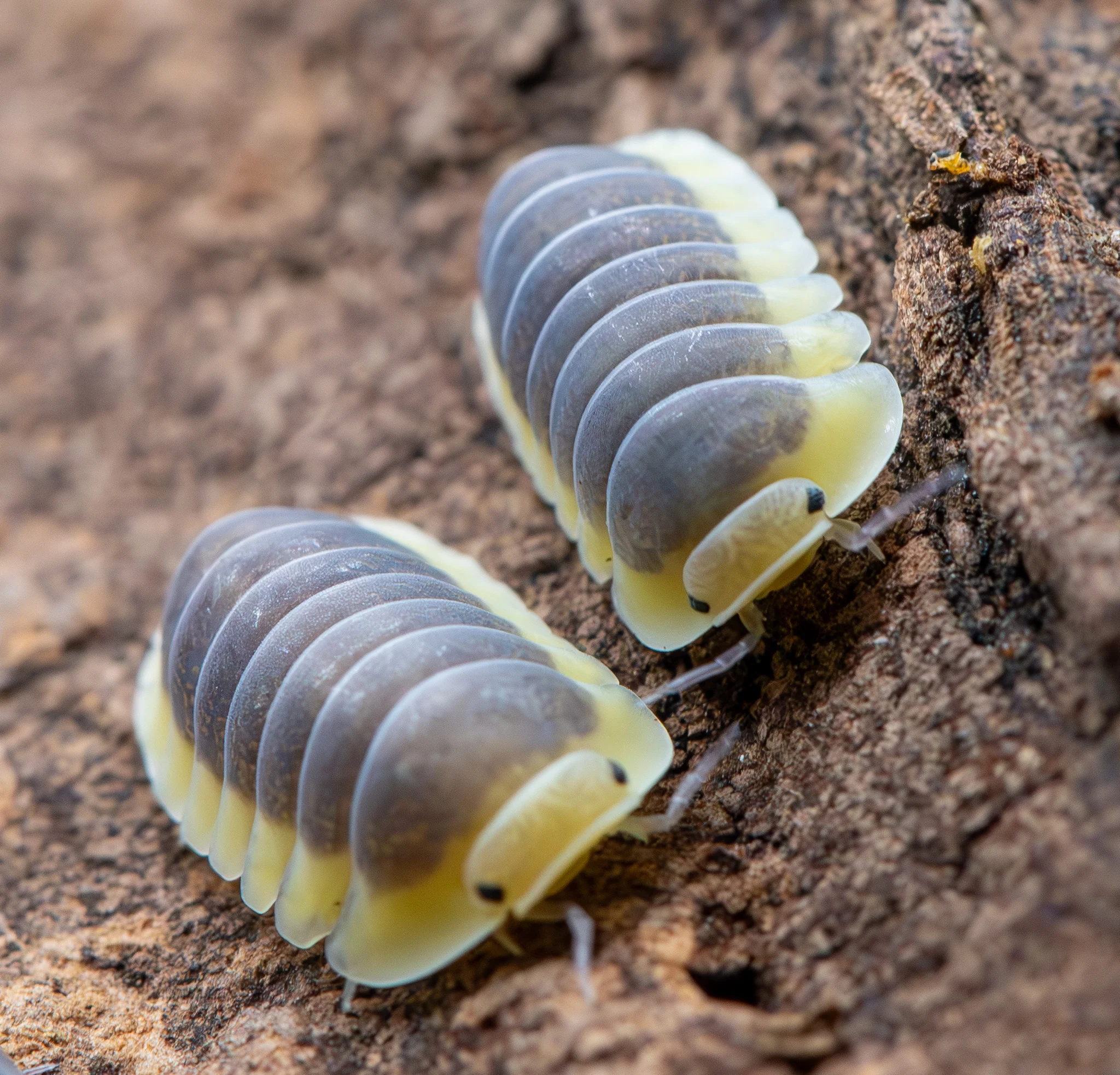
- Appreciated for their duck-like facial appearance
- Display calm and slow-moving behavior
- Prefer cozy hiding spaces with moisture
- Add visual charm to decorative terrariums
Their contrasting appearances create a lively and visually interesting environment when maintained properly.
Ideal Habitat Conditions
Healthy environments encourage natural activity and long-term success for both varieties. A balanced enclosure with moisture, ventilation, and organic materials helps them remain comfortable and active.
Important habitat elements include:
- Soft substrate rich in leaf litter
- Pieces of bark for shelter
- Moist moss to support humidity
- Gentle airflow for freshness
- Decaying wood for exploration
- Calm surroundings with minimal disturbance
Providing a mix of damp and slightly dry areas allows them to choose comfortable resting spaces throughout the day.
Nutritious Food Sources
A varied diet supports healthy growth, vibrant activity, and successful breeding behavior. These isopods enjoy natural food materials that slowly break down over time.
Common food choices include:
- Dried leaves
- Vegetable scraps
- Soft fruits
- Calcium-rich supplements
- Decaying organic matter
- Natural plant debris
Fresh food portions should remain moderate to maintain cleanliness and balance inside the enclosure.
Peaceful Behavior and Daily Activity
Dairy Cow Isopods are often more active and adventurous, frequently exploring their surroundings in search of food. Rubber Ducky Isopods move at a gentler pace and enjoy hiding beneath bark and moss during quiet periods.
Interesting behaviors include:
- Group gathering beneath shelters
- Slow nighttime exploration
- Gentle interaction with substrate materials
- Consistent cleaning activity throughout the habitat
Their calm nature creates a relaxing viewing experience for keepers who enjoy observing miniature ecosystems. Rare species enthusiasts frequently admire rubber ducky isopods for their unique appearance and charming behavior inside vibrant terrarium ecosystems daily.
Benefits inside Bioactive Enclosures
These isopods contribute greatly to healthy habitat maintenance. By feeding on decaying matter, they help recycle nutrients naturally and support cleaner living conditions for other enclosure inhabitants.
Positive contributions include:
- Breaking down organic waste
- Supporting balanced substrate conditions
- Reducing leftover debris
- Improving ecosystem stability
- Encouraging natural decomposition cycles
Their helpful role makes them highly valued in bioactive environments focused on long-term balance and cleanliness.
A Beautiful Combination for Nature Enthusiasts
Dairy Cow Isopods and Rubber Ducky Isopods bring energy, beauty, and harmony to carefully designed habitats. Their attractive patterns, peaceful habits, and ecological benefits create an engaging environment filled with natural activity. With proper moisture, nutritious food, and comfortable shelter, these fascinating creatures continue to thrive beautifully while enhancing the overall charm of bioactive ecosystems.